
Soft toys can become much more than simple playthings. For many children, a plush animal becomes a familiar companion that travels with them, joins imaginative games, and provides comfort at bedtime. When choosing stuffed animals, parents and gift-givers often look beyond appearance and consider softness, construction, size, materials, and how easily the toy can fit into everyday routines. A thoughtfully selected plush companion can encourage imaginative play while also becoming a familiar part of a child's early memories. Understanding the different factors that matter can make it easier to choose an option that is comfortable, practical, and suitable for the child's age.
Why Plush Toys Remain Popular
Plush toys have a unique place in childhood because they can support several types of play. A child might use a stuffed animal as a character during pretend play, carry it around during daily activities, or simply hold it while relaxing.
Their familiar appearance can also make them appealing as comfort objects. Children may develop strong attachments to particular toys because of their softness and consistent presence. This is one reason parents often look for durable designs that can withstand regular handling, travel, and repeated use.
For younger children, simplicity can be especially valuable. A plush toy does not require complicated instructions or electronic features, allowing children to decide how they want to interact with it.
Consider Materials and Construction
Material is one of the first things to evaluate when selecting a plush toy. A soft outer fabric can make a toy comfortable to hold, while sturdy stitching and well-secured components can help it withstand everyday play.
Parents should also consider whether the materials are appropriate for the child's age and intended use. Toys designed for younger children should be checked for age recommendations and potential small parts or detachable features.
Care requirements are another practical consideration. A plush toy that is likely to become a daily companion may need regular cleaning, so checking the manufacturer's washing and care instructions before purchasing can prevent unnecessary problems later.
Choose an Appropriate Size
The ideal size depends on the child's age, strength, and how the toy will be used. Smaller plush animals can be easier for young children to carry, while larger ones may work better as decorative pieces or imaginative-play companions.
A medium-sized toy can offer a balance between portability and comfort. It may be easy enough for a child to take from one room to another without becoming cumbersome.
Size also matters when considering storage. If a child already has several toys, selecting pieces that can be comfortably stored in baskets, shelves, or toy chests can help keep the play area organized.
Match the Toy to the Child's Interests
Animal choices can make a plush toy more meaningful. Some children naturally gravitate toward familiar animals such as puppies and bears, while others may prefer less common choices.
Variety can also encourage children to create different stories during pretend play. A collection containing several animal characters can become the basis for imaginative adventures, role-playing games, or simple storytelling.
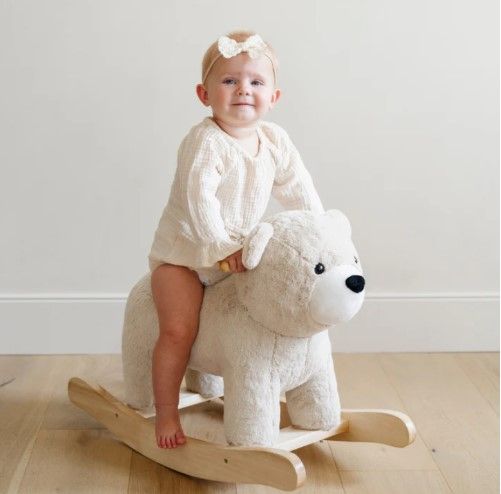
Some plush designs are also created to complement children's furniture and play equipment. For example, a plush companion may be used alongside an animal-themed seat or stuffed animal rocker, creating a coordinated play environment while giving the child another character to interact with.
Think About Everyday Use
A good plush toy should fit naturally into a child's routine. If it will travel frequently, a lightweight design may be more convenient. If it is intended mainly for a bedroom or playroom, size and appearance may be more important.
The product page for the featured plush collection describes soft-limbed designs intended for play, travel, and cuddling, with animal choices including Puppy, Bunny, Bear, Elephant, and Lamb. It also notes that the plush companions can be used alongside animal rockers and chairs or enjoyed independently.
Conclusion
The best plush toy is one that fits the child's age, interests, routine, and comfort preferences. Materials, construction, size, cleaning requirements, and intended use can all influence whether a toy remains enjoyable over time.
When choosing stuffed animal rocker options or coordinating plush companions, think about how the pieces will work together within the child's play space. A carefully chosen plush toy can provide opportunities for imaginative play while becoming a familiar and comforting part of everyday childhood.