
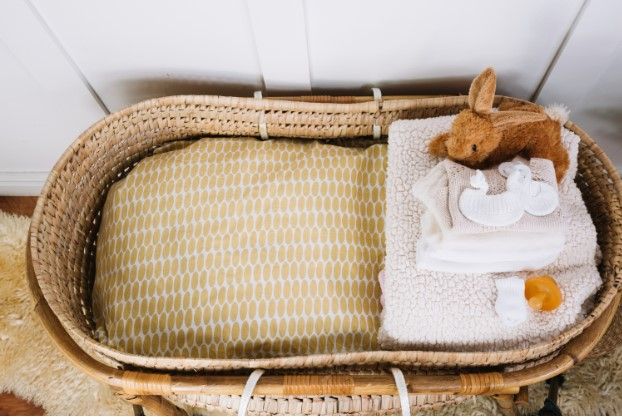
A well-prepared nursery is one of the most important aspects of welcoming a baby, and among the essential furniture pieces, a newborn changing table plays a key role in daily care routines. When parents begin setting up their baby’s space, they often look for comfort, convenience, and safety. In the middle of this planning process, the newborn changing table becomes a central feature that helps streamline diaper changes and maintain hygiene.
A newborn changing table is designed to provide a safe, elevated surface where caregivers can change diapers comfortably without bending over beds or sofas. This reduces strain on the back while also keeping baby care supplies organized and within reach.
Why a Newborn Changing Table Matters in Early Baby Care?
A newborn changing table is more than just a piece of furniture; it is a functional support system during the first months of a baby’s life. Newborns require frequent diaper changes, sometimes up to 8–12 times a day, making convenience extremely important.
Most parents find that using a dedicated changing space helps them maintain better hygiene and efficiency. A properly designed table includes storage compartments for wipes, diapers, and clothing, ensuring everything is accessible during quick changes.
The importance of a newborn changing table also lies in its ergonomic design. Experts note that a waist-high surface reduces physical strain on caregivers and allows better control over the baby during changes. This setup becomes especially useful during nighttime routines when speed and safety are essential.
Key Safety Features of a Newborn Changing Table
Safety is one of the most critical considerations when selecting a newborn changing table. Babies are naturally active even at a very young age, and ensuring proper support helps prevent accidents.
Some essential safety features include:
- Raised guardrails on multiple sides to reduce rolling risks
- A stable base to prevent tipping or wobbling
- Safety straps to gently secure the baby during changes
- A contoured surface that keeps the baby centered
- Smooth edges and non-toxic finishes for added protection
Research and pediatric safety guidelines emphasize that babies should never be left unattended on a changing surface, even for a few seconds.
Types and Functional Design of Newborn Changing Tables
The design of a newborn changing table varies depending on space, storage needs, and lifestyle preferences. Common types include open-shelf tables, dresser-style combinations, and foldable units.
Open-shelf designs are popular for quick access to essentials, while dresser-style tables provide long-term use as storage furniture even after the diaper stage. Foldable versions are ideal for smaller homes where space optimization is important.
Modern nursery planning often focuses on multifunctional furniture, and a newborn changing table can easily become part of a broader nursery system that grows with the child. Many parents prefer designs that transition into regular storage units after the baby outgrows diapers.
Practical Benefits for Parents and Caregivers
A newborn changing table provides multiple practical benefits that simplify daily routines. One of the biggest advantages is organization. Having all necessary items in one place reduces stress during diaper changes.
Another key benefit is hygiene control. Dedicated changing spaces help separate diaper-related activities from sleeping or feeding areas, maintaining a cleaner environment for the baby.
Additionally, a newborn changing table supports better posture for caregivers, especially during frequent changes. This reduces physical fatigue and makes caregiving more comfortable over time.
Studies on nursery ergonomics highlight that structured changing stations improve efficiency and reduce unnecessary movement during care routines, making the process smoother for both baby and parent.
How Nursery Furniture Evolved with Changing Needs?
Over time, nursery furniture has evolved to meet modern parenting demands. A newborn changing table today is not just a basic utility item but a thoughtfully designed structure that balances safety, storage, and comfort.
Earlier designs focused only on functionality, but modern versions integrate storage systems, convertible features, and improved stability. This evolution reflects the growing need for adaptable furniture in compact living spaces.
Conclusion
A well-designed nursery setup improves the overall baby care experience, and the newborn changing table is one of the most important components in that setup. In many modern nursery collections, including those offered by Little Heirloom Society, thoughtful design continues to focus on comfort, safety, and functionality for growing families. It supports daily routines, enhances safety, and improves organization for caregivers.